Skip to content

People-centered Design

  • People
  • Design
  • Business
  • More …
    • Thinking about AI
    • Prototyping UX
  • People
  • Design
  • Business
  • More …
    • Thinking about AI
    • Prototyping UX

The importance of empathy

Who needs to understand who?

But with whom? Most work focuses on our empathy with our customers or users, but it may often be the case that we need empathy with our colleagues even more.

A map of whose journey?

Journey maps, experience roadmaps, customer experience journeys are all common tools nowadays, but a key question that needs to be asked is "whose journey are we mapping?" and is that the right person?

Usability considered harmful …?

Not necessarily the same as gathering input from users, ‘usability’ often implies a rigorous testing of a product or interface (in A-B testing or similar). But such rigorous, data-driven processes can arguably be quite detrimental to successful product or service design.

UX strategy or Design Strategy?

Brand strategy and design strategy seem to be well understood terms, but the idea of an experience strategy seems to be a step too far for many (is it not just the same as one these other two?).

Can we judge design from a single concept?

In the real world of commercial product design it is not uncommon for (UX) designers to spend most of their time working on the nuts and bolts (pixels and screens) of a single concept. But in order to identify the best approach to meeting the constraints of user needs, commerce and technology it is unlikely that the first concept is the optimal one. There is a reason many designers like to have a sketch books.

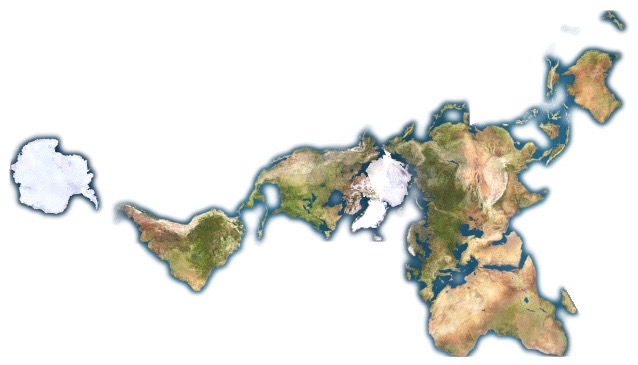
Maps are Selective

Journey maps, user mapping, and many other methods all aim to produce a map of some facet of the user experience. In this context it is useful to reflect on the fact that 2D representations of a 3D world are always inaccurate – even while being phenomenally useful.

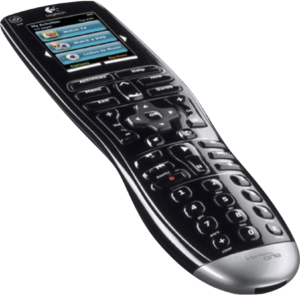
The compelling touchscreen – who benefits?

Touchscreens and touch interfaces are all the rage – but is this a people-centred movement? Arguably the strongest push for the use of touchscreens is the updatability of them – with a firmware update the UI can be changed significantly. But there are also strong marketing pressures as it is a common belief that touchscreens make a product feel more modern and innovative. Nowhere is this more apparent than in the car, where touchscreens increasingly dominate despite very good reasons to doubt their value to the driver.

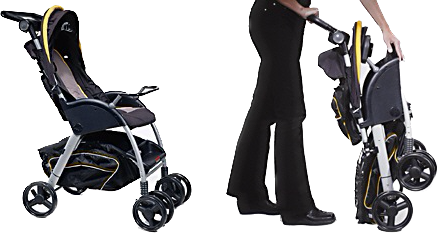
Evenflo Stroller

Harmony Design Culture

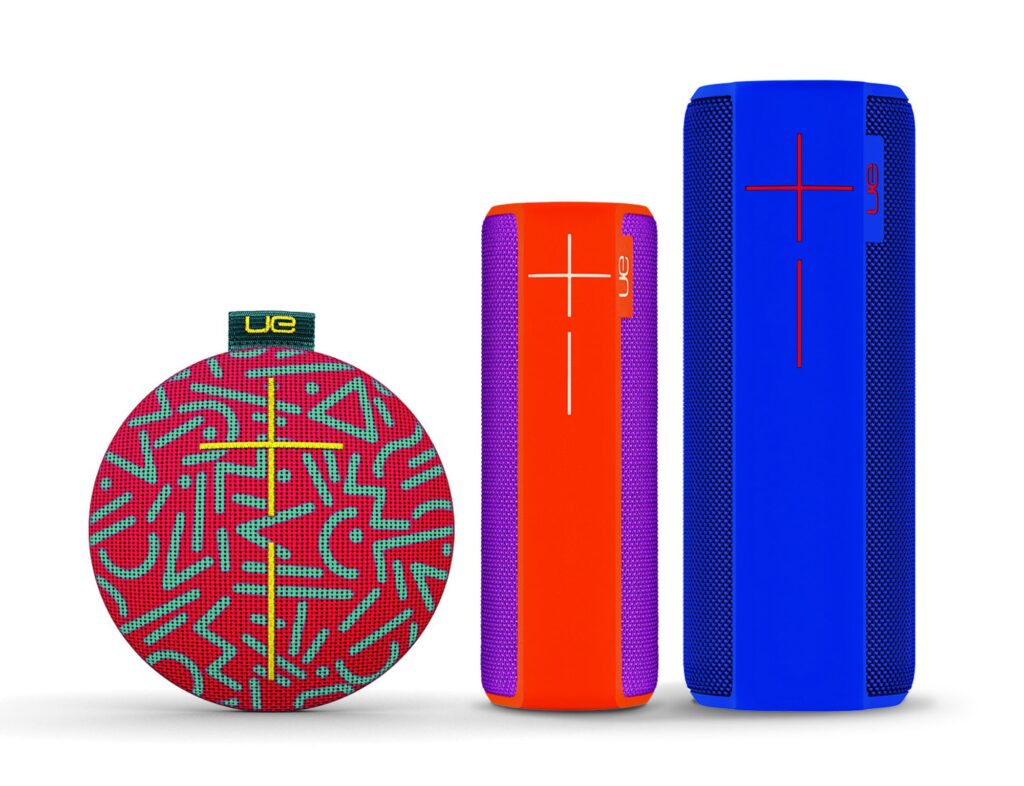
UE Boom

The Compelling Touchscreen

Customer Encounters

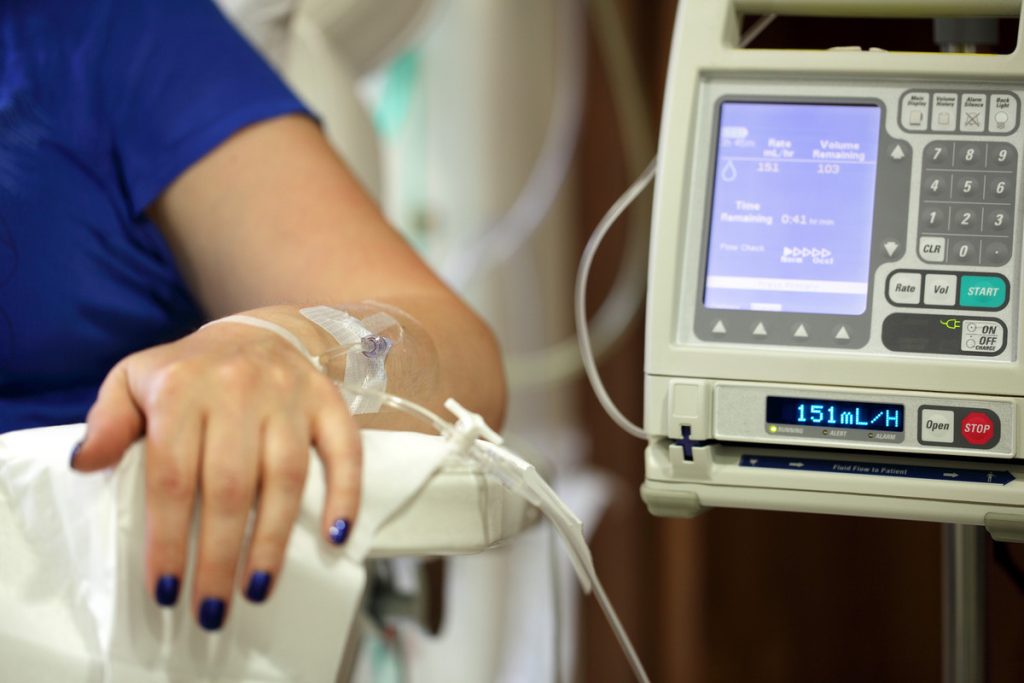
Medical Equipment

  • Welcome
  • What’s New?
  • About
  • Welcome
  • What’s New?
  • About

info@peoplecentereddesign.org

© 2026 David Gilmore