Skip to content

People-centered Design

  • People
  • Design
  • Business
  • More …
    • Thinking about AI
    • Prototyping UX
  • People
  • Design
  • Business
  • More …
    • Thinking about AI
    • Prototyping UX

Evenflo Stroller

The power of naturalistic observation

Winner of the HFES Kaplan Human-Centered Product Design Award (early 2000’s) this stroller had numerous patentable innovations and was extremely popular with those who bought one (judging by Amazon reviews and reviews elsewhere).

Strollers (pushchairs) are everywhere and so this project was a perfect opportunity to focus on natural observations, rather than conversation. Evenflo knew the main issues that would come up in conversation – the bigger challenge was knowing what kind of solutions would work.

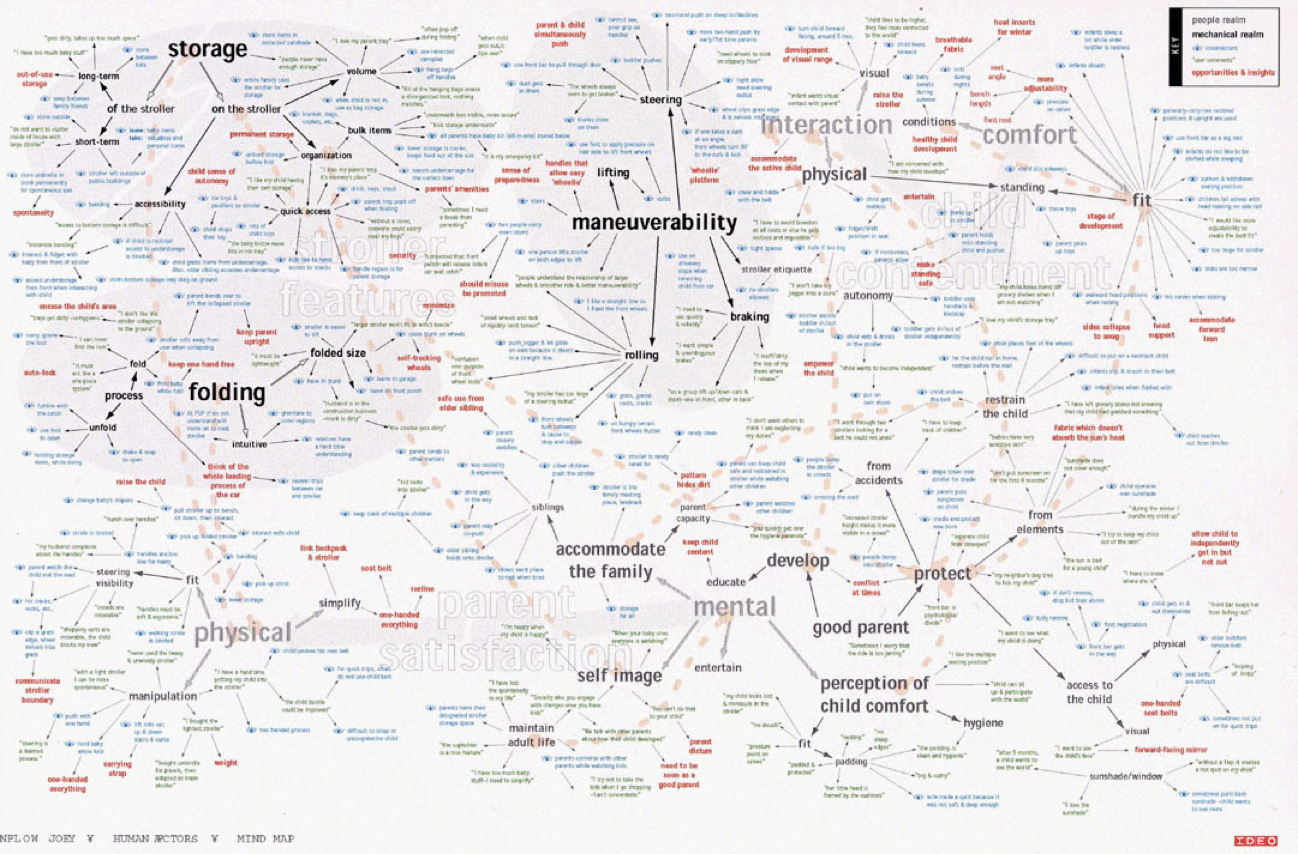
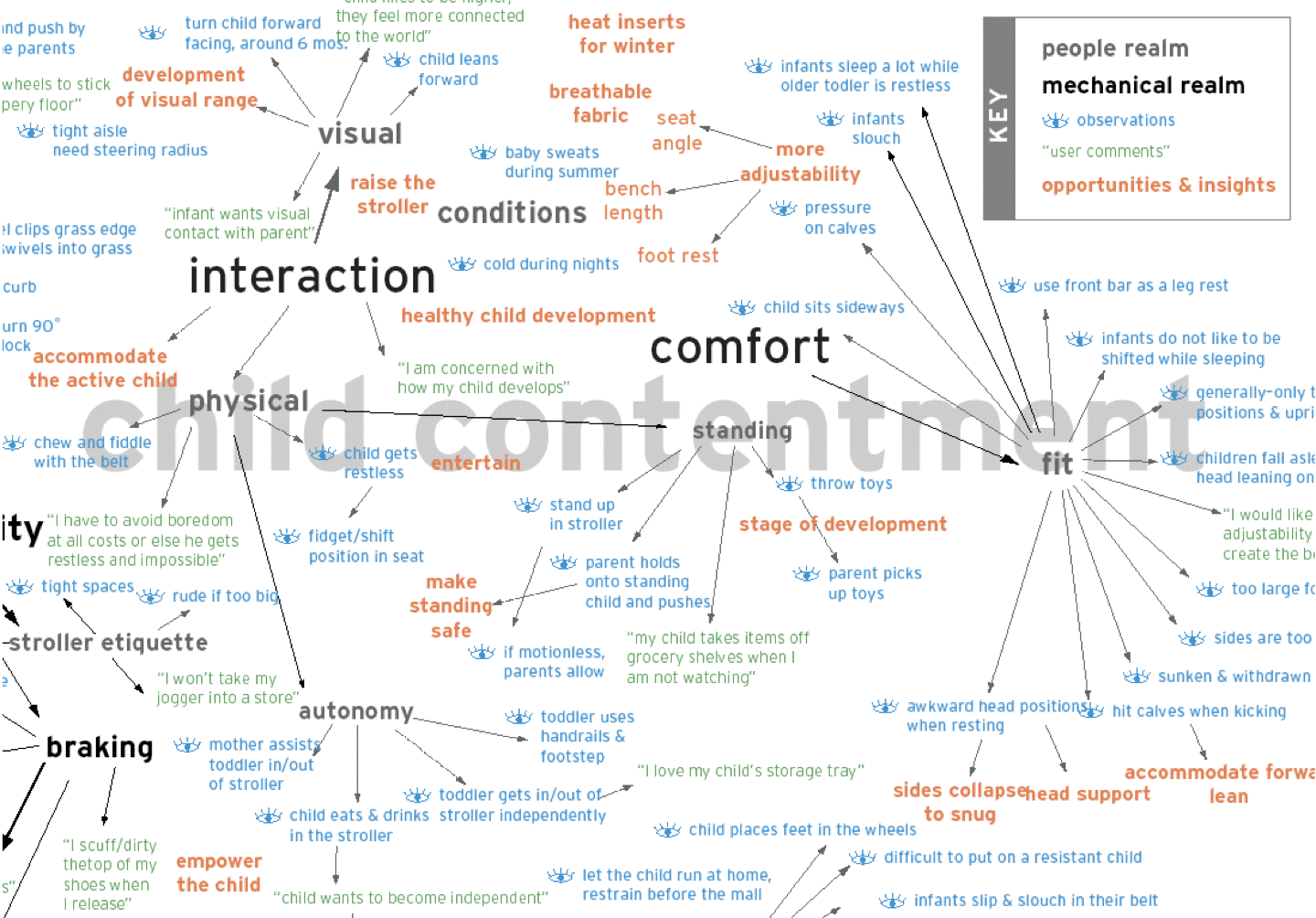
Observations were conducted at the zoo, at shopping malls and in airports and a mind-map collected together the observations, along with the needs they represented and the kinds of solution that they might invite.
Motion management in Radiotherapy

This is another good example of how having the data is only the starting point. Presenting the user with the relevant data in a way which is safe and usable is a much deeper design problem that is usually appreciated.

Racing data

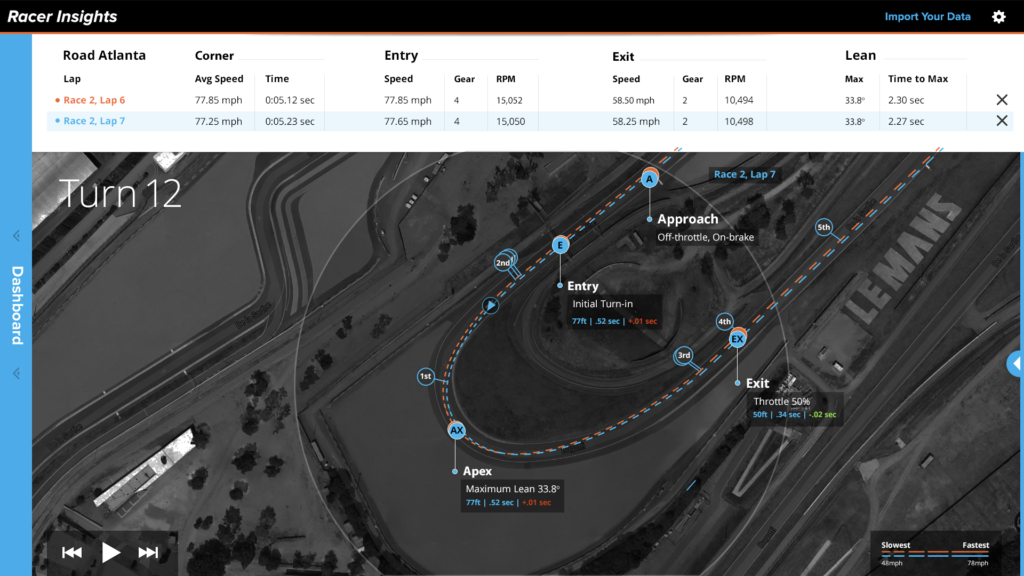
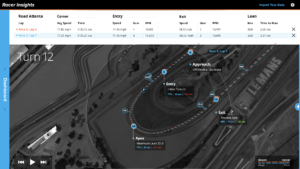
Kevin Richardson (Infragistics) gave a talk at UCDUK15 about the design of data presentation for motor bike racing, which provided a great example of how having the data is only the starting point of the design process.

Medical Equipment

A group with doctors alone on a new piece of medical equipment became very focused on the attractiveness of the technology and its message of innovation, but when joined by nurses, the doctors were quick to recognise that they would barely interact with the equipment.

GE Digital Power

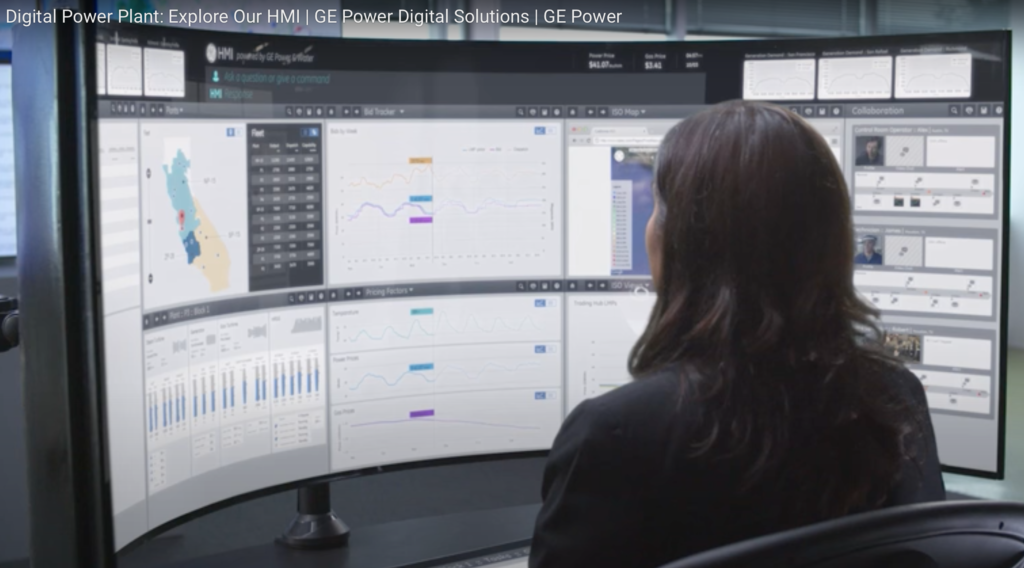
In creating digital HMI for a power plant, it is easy to find constraints pulling in different directions – towards simplification of the HMI and the use of fewer, smaller screens, versus the presentation of more data across more, larger screens. Either is a possible experience that can be designed for, but the whole team needs to know which experience they are aiming for.

Three-ring Binders

Before being engaged on innovation in 3-ring binders, qualitative surveys had found that the snap of the three rings was not a problem for users and we were directed to look for innovation elsewhere.

Zyliss Kitchen Gadgets

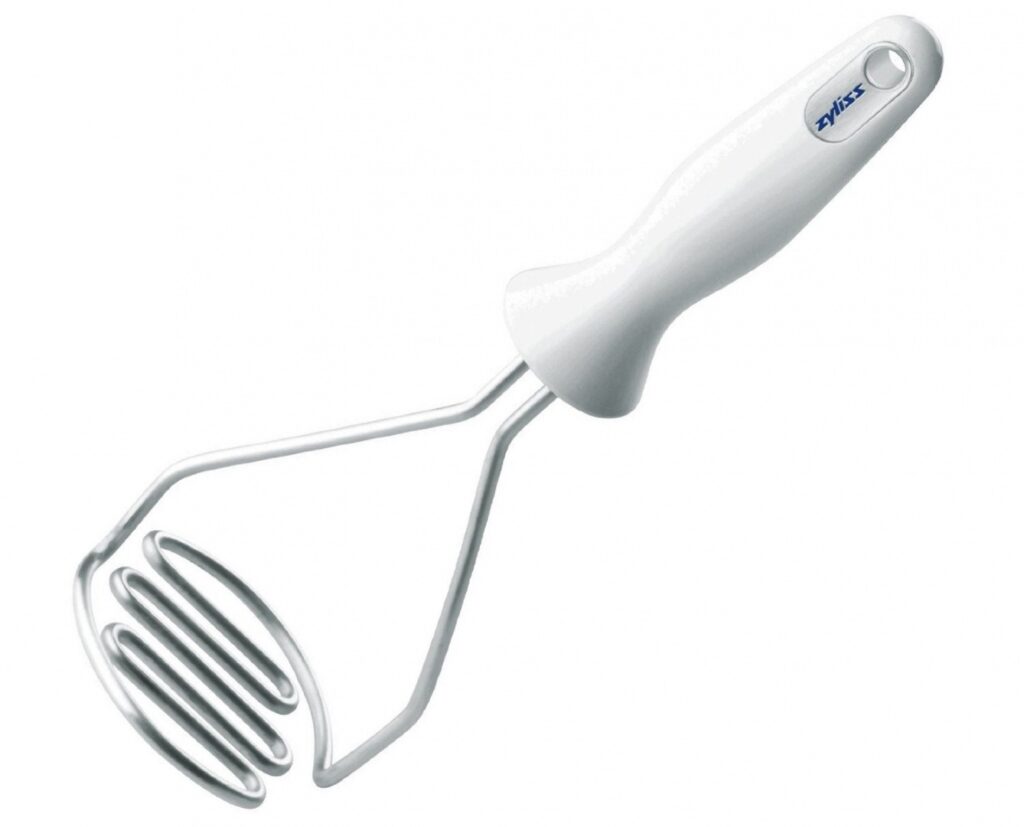
Making a new family of kitchen gadgets could not just be about an easy grip … observational research in people’s homes while they were cooking highlighted the role of family and cooking together (with children joining in especially). And, of course, the inevitable need to make clean up fast. Innovations that resulted from these insights included a salad spinner with an integral brake and a potato masher with no enclosed spaces to trap potato.

Writing a good conversation guide

Maps are Selective

A map of whose journey?

Customer Encounters

The compelling touchscreen – who benefits?

Don’t write interview guides

  • Welcome
  • What’s New?
  • About
  • Welcome
  • What’s New?
  • About

info@peoplecentereddesign.org

© 2026 David Gilmore