
Skip to content

People-centered Design

  • People
  • Design
  • Business
  • More …
    • Thinking about AI
    • Prototyping UX
  • People
  • Design
  • Business
  • More …
    • Thinking about AI
    • Prototyping UX

Usability considered harmful …?

UX strategy or Design Strategy?

THE HAZARDS OF USER DATA AND FEEDBACK …

What is the role for data and AI?

Don’t write interview guides

A map of whose journey?

Unfocus Groups

Getting divergence from your participants

Using the ideas of participatory design workshops, combine with IDEO’s focus on the more extreme and less typical users, Unfocus Groups bring people together to express their needs through construction and participation rather than through words.

So often these days one hears people say that one should not use groups, but there are occasions where the interaction of a group reveals user needs that no one-on-one observation could reveal.

Just as it is possible to do design research observations badly, so it is possible to use groups to good effect. 

In an Unfocus Group, it is important that everyone understand that the goal is not to focus on a good concept, but to generate and reflect on divergent options.

One common practice in focus group research is to have a group of participants from one market segment (even just one gender perhaps), whereas an Unfocus Group looks for the collisions of ideas from people with differing backgrounds and experiences.

Similarly, in many groups one or two individuals dominate the discussions and can set the group direction – but this isn’t inevitable. A good Unfocus Group  will be designed to give everyone a chance to speak (or act, or draw, or write) and to be attended to.


Writing a good conversation guide

The trick to creating a good conversation is appear as though you do not have a conversation guide (even though you do) and to be prepared to be authentic and allow the conversation to wander wherever it goes. One way to assess the authenticity of a conversation would be in terms of the number of times you (and your conversationalist) are surprised by it, or find new ideas in it. In an authentic conversation the participants are equally able to lead (or block) any avenue of exploration. Your conversation guide must then provide you with a good idea of the avenues you want to go down and why.

Customer Encounters

Finding new ways to encounter customers is a vital part of a healthy people centred design culture.

UX Prototyping

Protopie enables one to build connected prototypes that enable one to explore the experiences of many connected people at the same time.

Look, Listen, Try, Feel

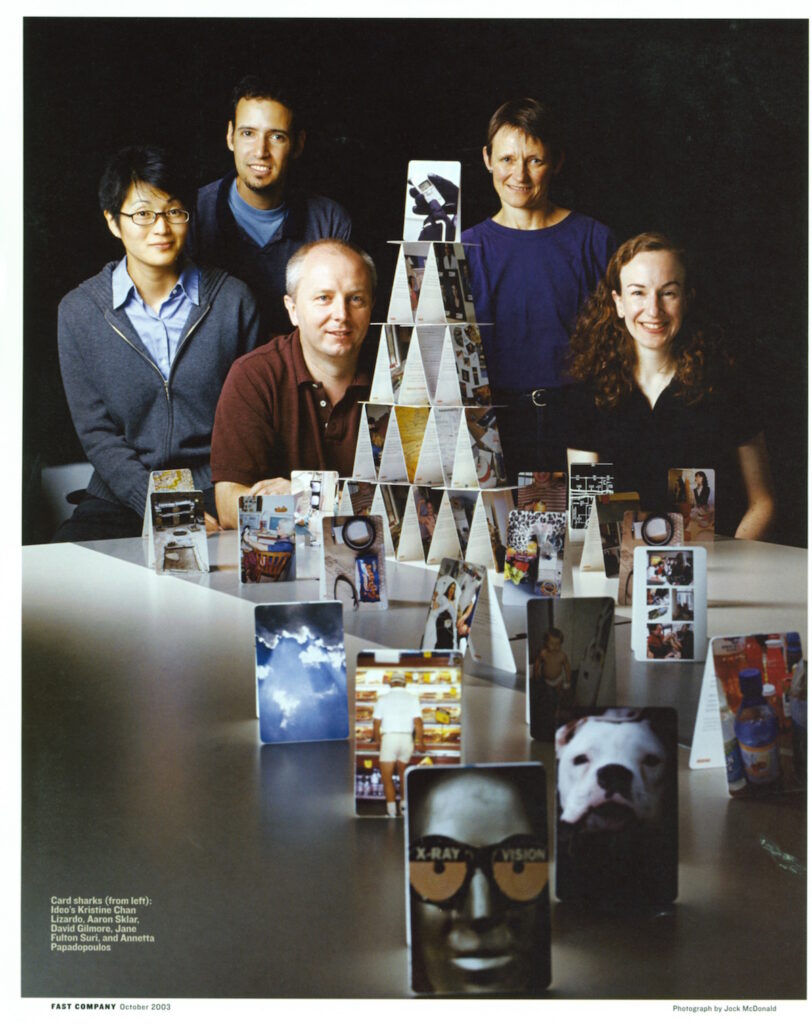
The IDEO Methods cards were initially created as an internal tool, to help everyone see that design research was not a singular methodology, and that there were many, many options.

Journey Maps, etc

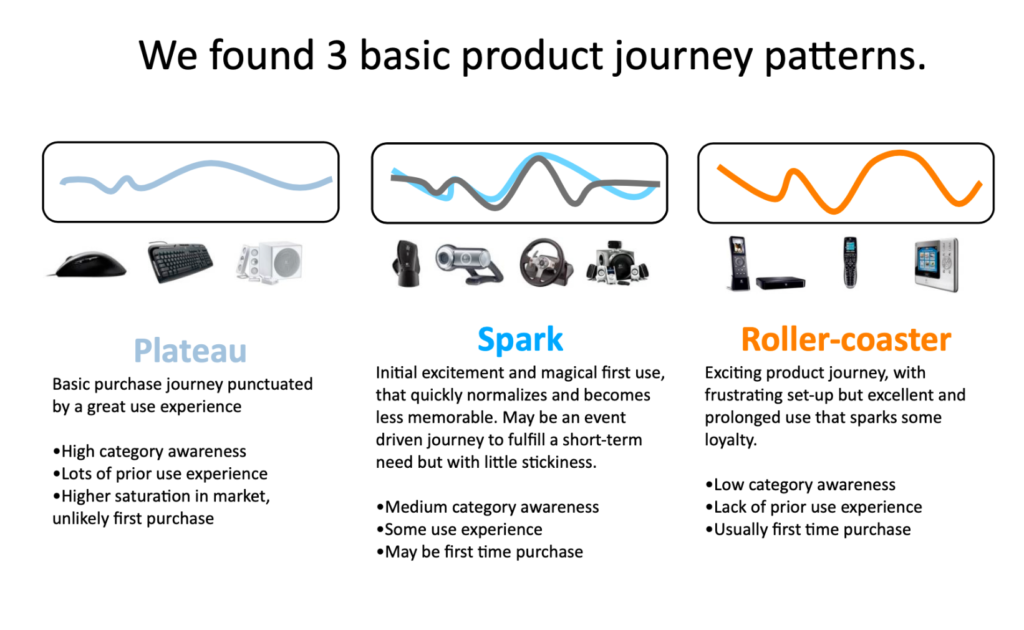
Journey maps are an extremely valuable tool and they are particularly effective at helping a broader team understand something of the bigger picture beyond the current narrow focus of the product release, feature, or UI screen. But there is a challenge of being sure that you are capturing the right journey of the right person. In a healthcare context, the journey of a patient is very different than that of the doctor, which is different than that of the nurse or therapist.
  • Welcome
  • What’s New?
  • About
  • Welcome
  • What’s New?
  • About

info@peoplecentereddesign.org

© 2026 David Gilmore