Skip to content

People-centered Design

  • People
  • Design
  • Business
  • More …
    • Thinking about AI
    • Prototyping UX
  • People
  • Design
  • Business
  • More …
    • Thinking about AI
    • Prototyping UX

Buying headphones

Creating a chance to view natural behaviour

When designing some of the earliest wireless headphones (once Bluetooth was good enough to deliver a brand-appropriate quality experience) it became important to know the basis on which people might choose one pair of headphones over another.

Surveys and question / answer in focus groups had led to the conclusion that brand expectations and impression were very dominant, along with visual design. Neither audio quality or comfort figured very strongly, which seemed strange.

So, we arranged an unfocus group or two with the intention of trying to get closer to the authentic decision-making process. Much of the discussion followed fairly normal focus group ideas, but we had asked them to bring in their current headphones or earphones and we put ore time into talking about how they had chosen them. And we had numerous examples of headphones around the room for them to discuss as well.

At the end of the group they were free to go and pick up $100 on the way out, or else they could stay and choose one of the sample headphones we had been discussion, which all had a value between $150-250. What followed was an 45-60 minute long discussion between various pairs of participants that was dominated by discussion of audio quality and comfort and hardly touched on visual design and brand.

And yet, their final choices as they left with their new headphones were based on visual design and brand reputation – all the audio quality and visual design discussions left them feeling confused and very unsure of their preferences.

Motion management in Radiotherapy

This is another good example of how having the data is only the starting point. Presenting the user with the relevant data in a way which is safe and usable is a much deeper design problem that is usually appreciated.

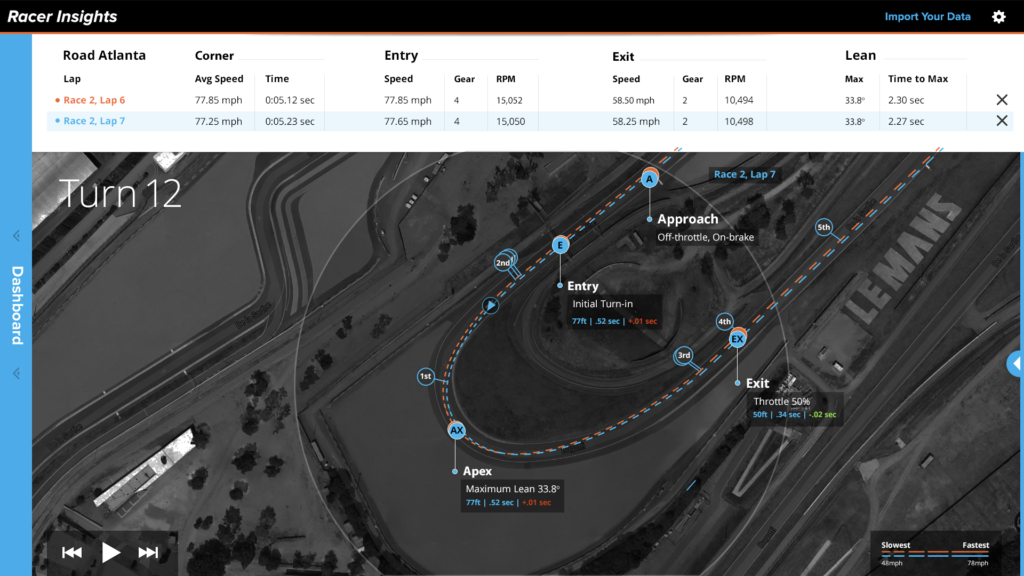
Racing data

Kevin Richardson (Infragistics) gave a talk at UCDUK15 about the design of data presentation for motor bike racing, which provided a great example of how having the data is only the starting point of the design process.

Medical Equipment

A group with doctors alone on a new piece of medical equipment became very focused on the attractiveness of the technology and its message of innovation, but when joined by nurses, the doctors were quick to recognise that they would barely interact with the equipment.

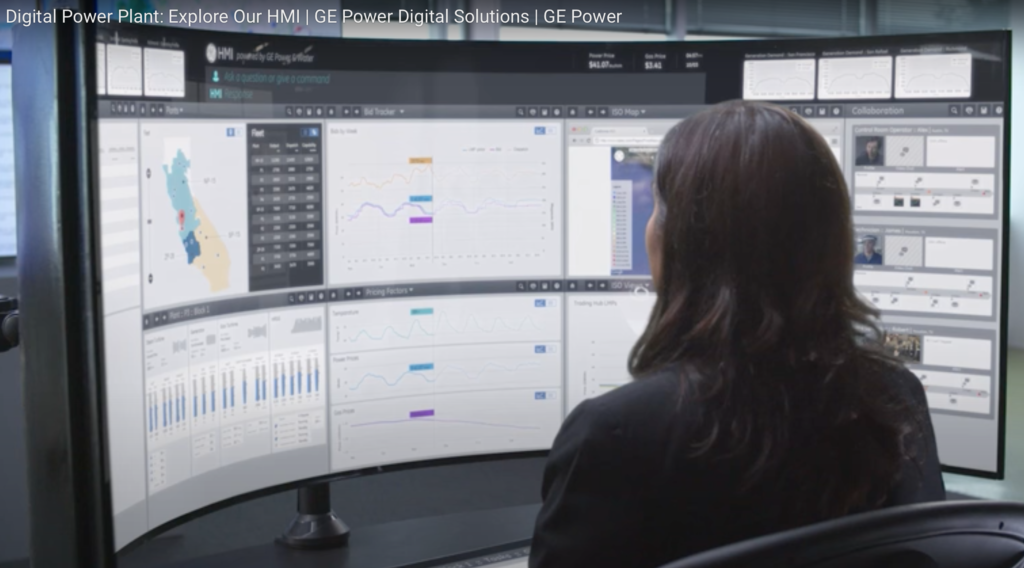
GE Digital Power

In creating digital HMI for a power plant, it is easy to find constraints pulling in different directions – towards simplification of the HMI and the use of fewer, smaller screens, versus the presentation of more data across more, larger screens. Either is a possible experience that can be designed for, but the whole team needs to know which experience they are aiming for.

Three-ring Binders

Before being engaged on innovation in 3-ring binders, qualitative surveys had found that the snap of the three rings was not a problem for users and we were directed to look for innovation elsewhere.

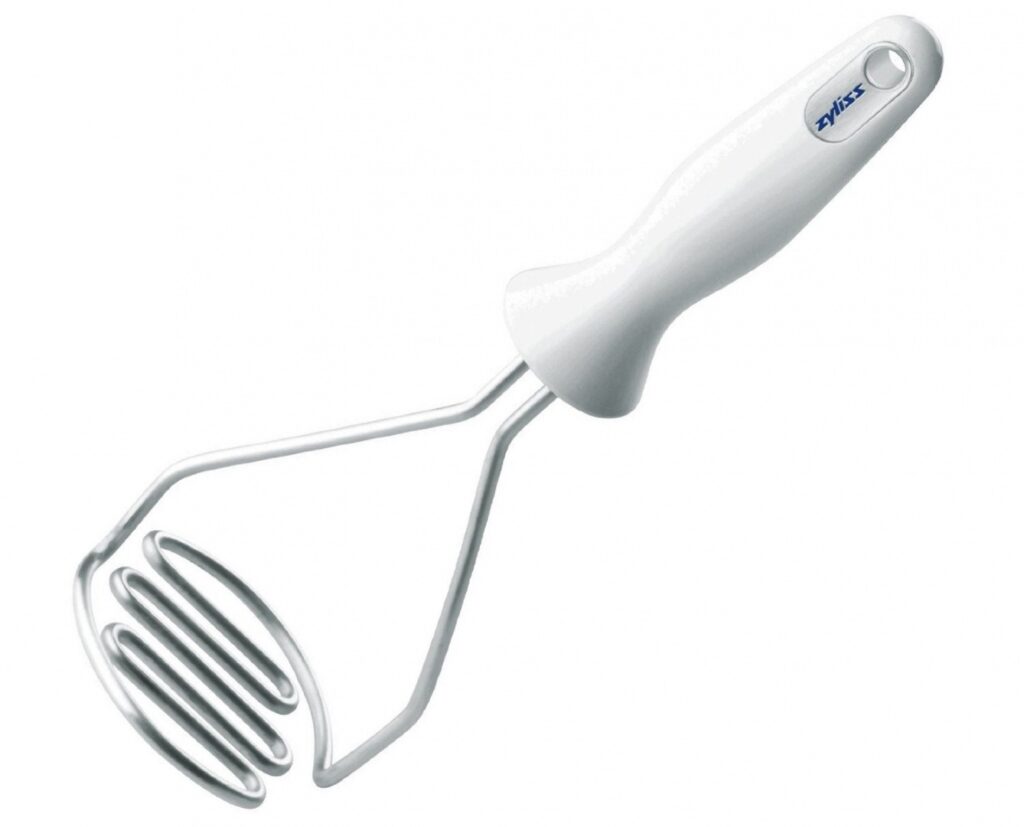
Zyliss Kitchen Gadgets

Making a new family of kitchen gadgets could not just be about an easy grip … observational research in people’s homes while they were cooking highlighted the role of family and cooking together (with children joining in especially). And, of course, the inevitable need to make clean up fast. Innovations that resulted from these insights included a salad spinner with an integral brake and a potato masher with no enclosed spaces to trap potato.

Experience is infinite

Can we judge design from a single concept?

Look, Listen, Try, Feel

The importance of empathy

Unfocus Groups

THE HAZARDS OF USER DATA AND FEEDBACK …

  • Welcome
  • What’s New?
  • About
  • Welcome
  • What’s New?
  • About

info@peoplecentereddesign.org

© 2026 David Gilmore