Skip to content

People-centered Design

  • People
  • Design
  • Business
  • More …
    • Thinking about AI
    • Prototyping UX
  • People
  • Design
  • Business
  • More …
    • Thinking about AI
    • Prototyping UX

Making things better?

or making better things?

Maybe the tagline would be better if we added some words to it “Improving the quality of our reflections on the quality of (user) experience design”.

The often-overlooked question is whether we (UX, design and product management professionals) are expending enough energy reflecting on what works and what doesn’t. Today it still seems to be the case that people argue for the financial (commercial) benefits of following a UX process  or of design in general, without addressing the question about how we can ensure the quality of that design process and how that quality affects the financial benefits that are due. 

Two ideas are important in addressing this question:–

  1. are we talking of the quality of the design, the design process or the resultant experience? And if we are looking at the experience, then whose experience?
  2. how do we address the subjectivity inherent in judging the quality of creative artefacts? Which leads on to the question as to who should be the judge of ‘design quality’?

A recent job advert I saw had quality management as a responsibility, defined as “Experience Design quality management – ensure all design is accurate and in line with our design guidelines.”  This is a very internal sense of quality and it doesn’t address the question of the quality of the actual user experience.

These ideas and questions bring us to the heart of people-centred design.

UX Prototyping

Protopie enables one to build connected prototypes that enable one to explore the experiences of many connected people at the same time.

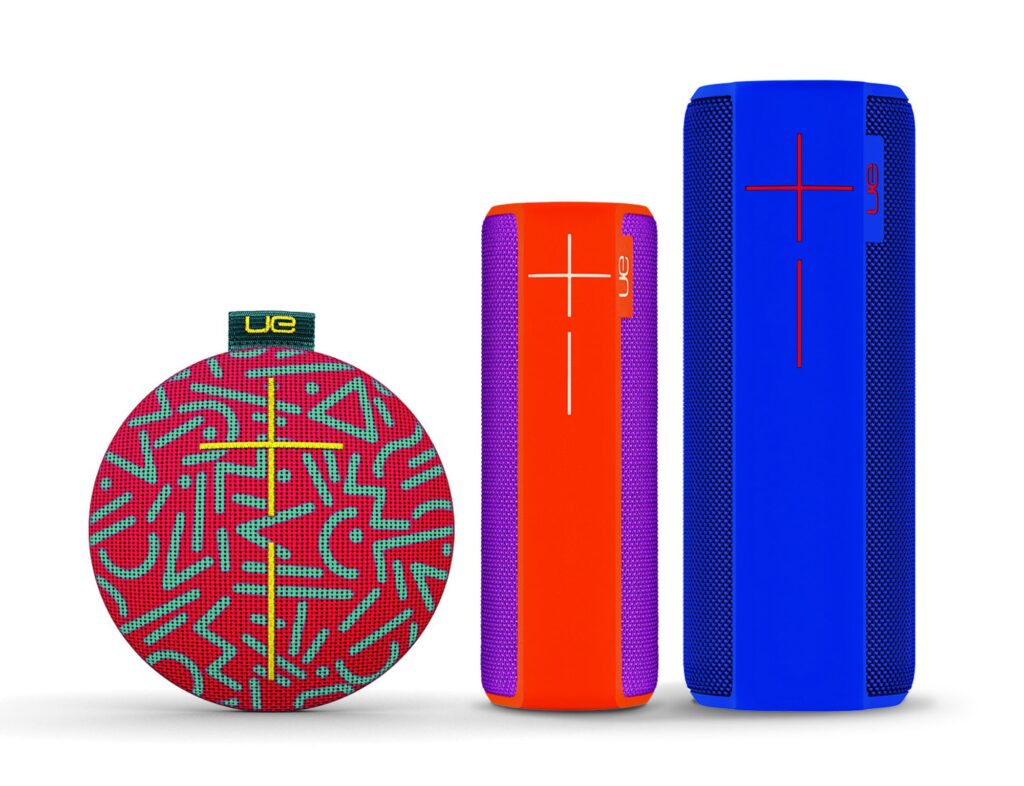
UE Boom

Vocera communicators

THE HAZARDS OF USER DATA AND FEEDBACK …

It seems almost sacrilegious to say it, but I think it is really important to maintain significant caution around data obtained from user feedback, testing or group discussions. Too often I hear people proudly say that all their design decisions are based on feedback from users, or one hears leadership asking that all the design decisions be based on documented data from user feedback. These attitudes are, of course, well-founded, but at the same time they are seriously misguided – and for a number of different reasons …

Can we judge design from a single concept?

In the real world of commercial product design it is not uncommon for (UX) designers to spend most of their time working on the nuts and bolts (pixels and screens) of a single concept. But in order to identify the best approach to meeting the constraints of user needs, commerce and technology it is unlikely that the first concept is the optimal one. There is a reason many designers like to have a sketch books.

Writing a good conversation guide

The trick to creating a good conversation is appear as though you do not have a conversation guide (even though you do) and to be prepared to be authentic and allow the conversation to wander wherever it goes. One way to assess the authenticity of a conversation would be in terms of the number of times you (and your conversationalist) are surprised by it, or find new ideas in it. In an authentic conversation the participants are equally able to lead (or block) any avenue of exploration. Your conversation guide must then provide you with a good idea of the avenues you want to go down and why.

What is the role for data and AI?

Design?

Business and technology

Experience is infinite

Which People?

  • Welcome
  • What’s New?
  • About
  • Welcome
  • What’s New?
  • About

info@peoplecentereddesign.org

© 2026 David Gilmore